UAS Integration
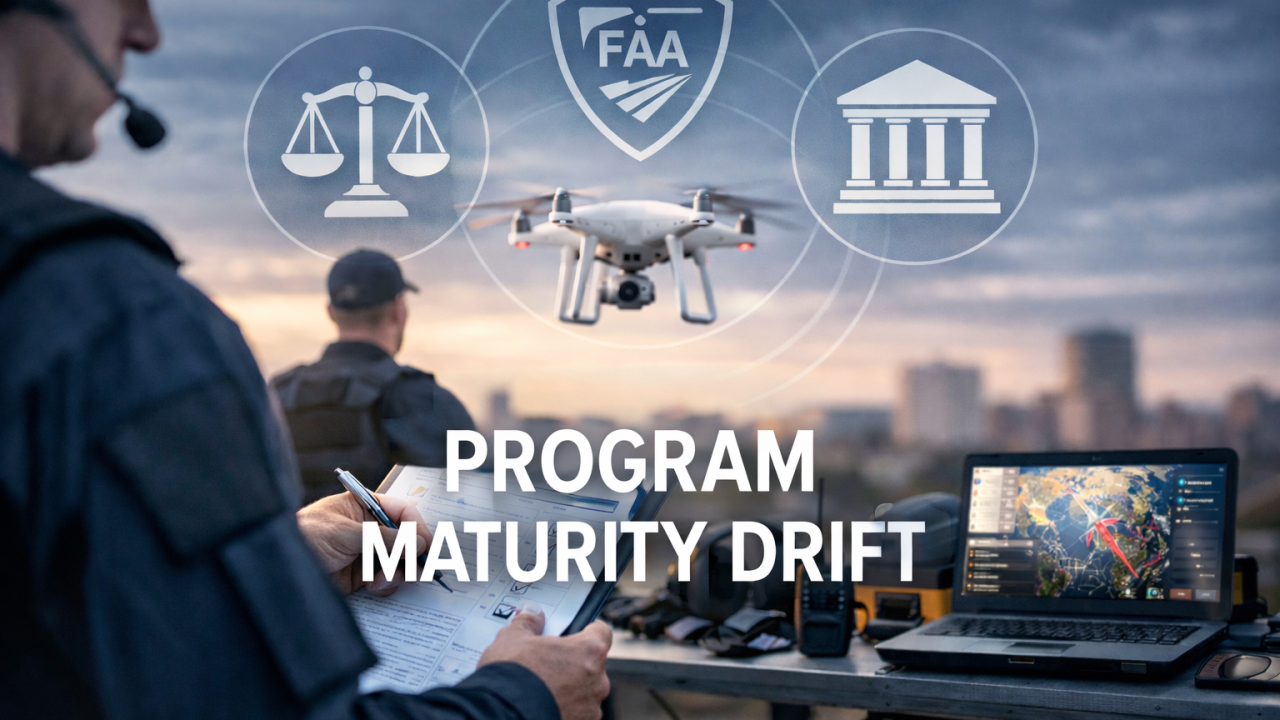
The Maturity Problem in UAS Programs
Most drone programs don’t fail in their early stages.
They struggle later—after they’ve already proven their value.
As organizations expand their UAS capabilities, operational success can begin to outpace governance, regulatory awareness, and program structure. Over time, that gap can quietly introduce risk into otherwise successful programs.
Identifying and resolving these kinds of operational and regulatory challenges is exactly why AirCAV Global was created.
In this article, I explore what I call “program maturity drift”—and why it’s an issue many growing UAS programs eventually face.
Risk & Safety
LAA-B - Idea to project to prototype testing
ADS-B doesn't cover everything — especially where drones fly. LAA-B is an early exploration into whether low-cost, peer-to-peer situational awareness can help fill that gap
Risk & Safety
When Nothing Goes Wrong, Skills Quietly Fade
When drones behave perfectly for too long, pilots stop practicing failure. My article examines skill fade in UAS operations and why routine, stress-based training is essential to real readiness, risk mitigation, and mission success—especially when conditions become adverse or unplanned.
Risk & Safety
Unmanned Aviation: The Tension Between Commercial Goals and Aviation Professionalism
As a large scale business in the UAS sector, do you see your pilots, crew and first line supervisors as critical thinking professionals empowered to make decisions, even if they impact profit or perception? The article looks at culture friction between the business mindset where profit, sales and client optics matter most vs the safety and mitigation driven mindset of professional UAS aviators balancing business goals with FAA operational expectations.
Policy & Regulation
From Access to Airmanship: Why Part 107 Must Evolve Beyond Knowledge Testing
A Part 107 certificate today can represent everything from a once-a-month real estate photographer to a full-time UAS professional operating in congested airspace with multiple aircraft, sensors, and risk controls. Legally, they are the same. Operationally, they are not. This article examines why that gap exists, how it emerged, and what must change if unmanned aviation is to mature as a profession aligned with FAA goals and general historical precedent.
Policy & Regulation
FAA Drone Enforcement 2025: Necessary Action and Open Questions
The FAA's 2025 enforcement posture on drone operations is intensifying — and for good reason. But increased enforcement also raises practical questions for operators and program managers about what triggers action, how to stay well inside the lines, and what the regulatory trajectory looks like from here.
No articles in this topic yet — check back soon.